
In 2025, the value of goods traded internationally surpassed $32 trillion. Behind every shipment, product, and service contract lies a critical, often invisible infrastructure: conformity assessment. Without trusted systems to verify that products meet safety and performance standards, global commerce as we know it would be impossible.
The Problem of Duplicated Testing
Historically, exporters faced a costly and time-consuming challenge: even when a product had been thoroughly tested in its country of origin, importing countries often required repeat testing at their own approved laboratories. This duplication added cost, delay, and uncertainty to international supply chains.
How Mutual Recognition Agreements Work
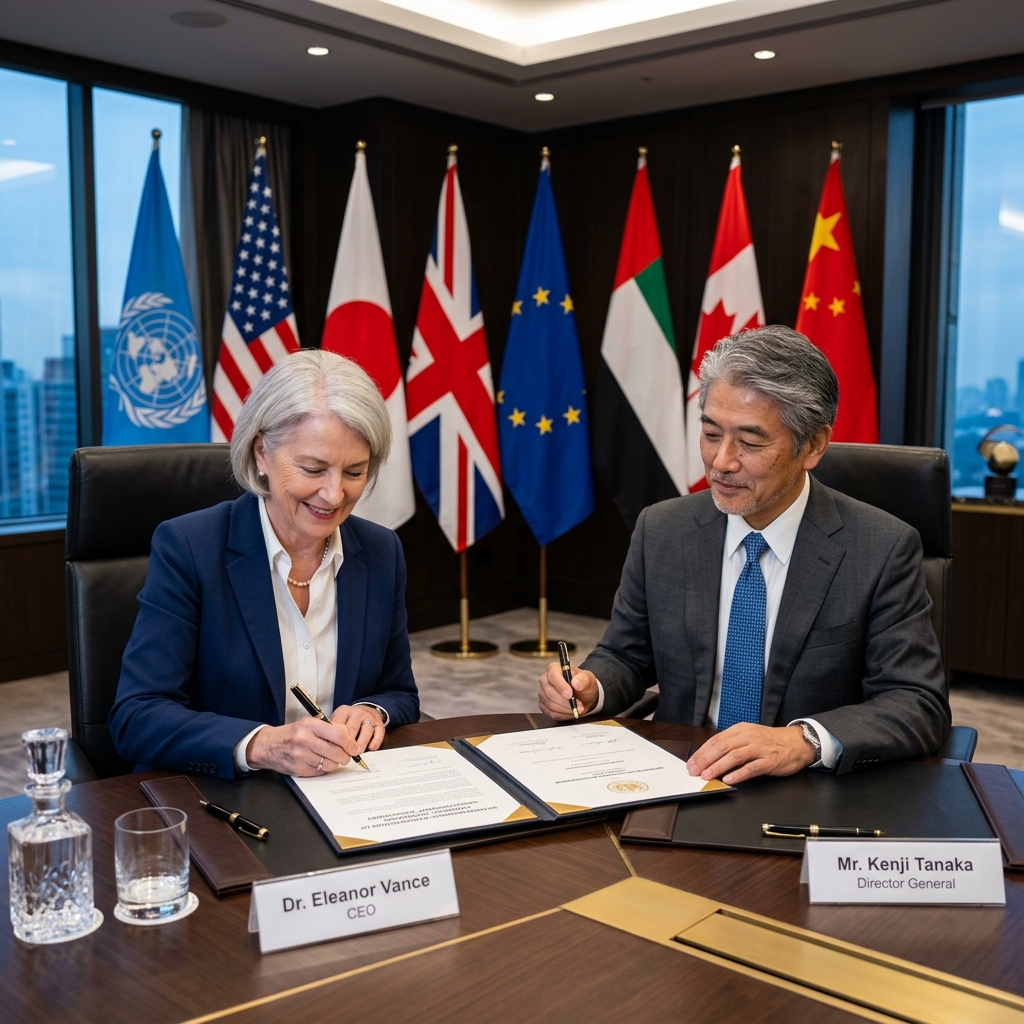
Mutual Recognition Agreements (MRAs) between accreditation bodies solve this problem. Under an MRA, Country A's accreditation body agrees that certificates issued by Country B's accreditation body — for laboratories, inspection bodies, and certification bodies — are equivalent to those issued domestically.
This means an ISO/IEC 17025-accredited laboratory in the UK can issue test reports that are accepted in all MRA partner countries without re-testing. The product can flow freely.
The Role of UKICB in MRAs
UKICB is a signatory to multiple bilateral and multilateral mutual recognition arrangements. Our accreditation programme meets the requirements of the International Laboratory Accreditation Cooperation (ILAC) and the International Accreditation Forum (IAF) multilateral arrangements, meaning UKICB certificates are accepted in over 100 countries.
Economic Impact
Research by the World Trade Organisation suggests that the elimination of duplicate testing through mutual recognition reduces trade costs by an average of 3-5% for manufactured goods. For small and medium enterprises, this can represent the difference between international competitiveness and market exclusion.